
Trips to Gran Canaria: Things to Do and Attractions
Island · Canary Islands · Spain
Most trips to Gran Canaria begin on the southern sands around Maspalomas, Playa del Inglés or Puerto Rico. The island rewards anyone who looks further. Within a short drive you can stand on the rim of Bandama Caldera, walk the ravine of Barranco de Guayadeque, see the Painted Cave at Gáldar, or reach the pine-covered heights of Tamadaba Natural Park. Gran Canaria airport sits just 6 minutes from Agüimes and 7 from Telde, so even a short break leaves room for days out. Below I have grouped the sights by area, flagged the ones that suit children and explained how to book tours and tickets on this page.
Some links on this page are affiliate links. If you book through them we may earn a commission, at no extra cost to you. It is how we keep this site free. Details
- Bandama Caldera near Santa Brígida lets you peer into a volcanic crater close to Las Palmas.
- Palmitos Park near Maspalomas is a zoo and garden that pairs easily with a beach day.
- Dry, warm summers: Maspalomas records no rain in July and August, with highs of 31 to 33°C.
Top sights in Gran Canaria
Ranked by how well known they are.
 1archaeological site
 2viewpoint
 3protected area
 4botanical gardenJardín Botánico Canario Viera y Clavijo
Santa Brígida · Photo
botanical garden in Tafira Alta, Gran Canaria
 5archaeological site
 6lighthouse
 7botanical garden
 8museum
 9protected area
 10protected area
 11protected area
 12basilica
Guided tours, day trips and tickets in Gran Canaria can be booked in advance, priced in GBP.
See tours & tickets (opens GetYourGuide in a new tab)Explore Gran Canaria


Resorts and towns in Gran Canaria
Ranked by what there is to see and book. Each has its own page.
 Maspalomas
Provincia de Las Palmas · 14 miles from the centre
10 sights · 24 min from LPA · on the coast
See tours & tickets (opens GetYourGuide in a new tab) Telde
Provincia de Las Palmas · 11 miles from the centre
7 sights · 7 min from LPA · on the coast
See tours & tickets (opens GetYourGuide in a new tab) Agüimes
Provincia de Las Palmas · 10 miles from the centre
1 sights · 6 min from LPA · on the coast
See tours & tickets (opens GetYourGuide in a new tab) Firgas
Provincia de Las Palmas · 10 miles from the centre
1 sights · 23 min from LPA · on the coast
See tours & tickets (opens GetYourGuide in a new tab) Gáldar
Provincia de Las Palmas · 13 miles from the centre
3 sights · 31 min from LPA · on the coast
See tours & tickets (opens GetYourGuide in a new tab)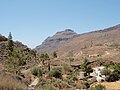 San Bartolomé de Tirajana
Provincia de Las Palmas · 3 miles from the centre
2 sights · 16 min from LPA
See tours & tickets (opens GetYourGuide in a new tab) Arucas
Provincia de Las Palmas · 12 miles from the centre
2 sights · 22 min from LPA
See tours & tickets (opens GetYourGuide in a new tab)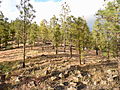 Mogán
Provincia de Las Palmas · 9 miles from the centre
2 sights · 30 min from LPA
See tours & tickets (opens GetYourGuide in a new tab) Teror
Provincia de Las Palmas · 8 miles from the centre
2 sights · 19 min from LPA
See tours & tickets (opens GetYourGuide in a new tab)
The sights worth planning around
If you only have a few days, the island's best-known attractions fall into three groups: volcanic landscapes, ancient Canarian sites and the coast. Bandama Caldera, a mountain and crater in the Santa Brígida area, is the easiest way to grasp the island's volcanic origins. Nearby, the Jardín Botánico Canario Viera y Clavijo in Tafira Alta is a botanical garden given over to the island's plant life.
For history, the Painted Cave at Gáldar and Cuatro Puertas near Telde are both protected cultural sites, and the Barranco de Guayadeque near Agüimes is a ravine listed as an archaeological site. On the coast, Maspalomas Lighthouse anchors the southern resorts, while Punta Sardina Lighthouse marks the far north-west near Gáldar. Between them, these are the things to see in Gran Canaria that most travellers remember long after the tan fades.
What to see, area by area
In the south, Maspalomas gathers the lighthouse, the beach at Meloneras and Palmitos Park. Inland from the resorts, the municipality of San Bartolomé de Tirajana holds the Riscos de Tirajana natural monument and Pilancones Natural Park, while Mogán, behind Puerto de Mogán, has the protected area of Inagua and the mountain of Montaña de Tauro. These suit a day of walking away from the coast.
The east and centre are close to the airport. Agüimes, 6 minutes from LPA, is the gateway to Barranco de Guayadeque; Telde, 7 minutes away, has Cuatro Puertas; Santa Brígida, about 14 minutes, covers Bandama Caldera and the botanical garden. Further north, Teror is home to the Basílica de Nuestra Señora del Pino, and Arucas and Firgas make easy additions on the same day.
The north-west and west feel wilder. Gáldar has the Painted Cave and Punta Sardina Lighthouse, and San Nicolás gives access to Tamadaba Natural Park and Güigüi, a beach within a protected area. If you are wondering what to visit in Gran Canaria beyond the resorts, this side of the island is where to start, ideally with car hire.
Days out with children
Palmitos Park is the obvious family choice: a zoo and garden near Maspalomas, so it fits around time on the beach in the southern resorts. The lighthouse at Maspalomas and the promenade beach at Meloneras are other easy outings with younger children.
The Jardín Botánico Canario Viera y Clavijo and the rim of Bandama Caldera work well for school-age children who enjoy being outdoors, and both are close to Las Palmas. The archaeological sites, such as the Painted Cave at Gáldar, tend to appeal more to older children with an interest in history. In July and August, when Maspalomas reaches 31 to 33°C, plan the outdoor sights for the morning.
Booking tours and tickets
You can compare tours and tickets for Gran Canaria on this page using the See tours and tickets button, alongside car hire if you prefer to explore the north and west independently. Twelve towns across the island have activities listed, from Maspalomas and Mogán in the south to Gáldar and Teror in the north.
Most British travellers come on a package with flights, hotel and transfers, and you can compare Jet2holidays, TUI, loveholidays and On the Beach deals here before adding excursions. Weather is rarely a reason to postpone: Maspalomas sees only one rain day in January, and the island is good for sightseeing in every month except the hottest weeks of August. School holidays are busier, so book popular tours early if your dates fall then.
Best experiences
Next steps
Questions people ask
What are the best beaches in Gran Canaria?
The southern resorts of Maspalomas, Playa del Inglés, Puerto Rico and Puerto de Mogán are where most British travellers spend their beach time, and Meloneras in Maspalomas is a well-known stretch. For something remote, Güigüi lies within a protected area near San Nicolás on the west coast.
What are the best things to do in Gran Canaria?
Look into Bandama Caldera, walk the Barranco de Guayadeque near Agüimes, see the Painted Cave at Gáldar and visit the Basílica de Nuestra Señora del Pino in Teror. In the south, Palmitos Park and Maspalomas Lighthouse are easy additions to a beach holiday.
Which are the best beaches in the south of Gran Canaria?
The south holds the island's main resorts: Maspalomas with its beach at Meloneras, Playa del Inglés, Puerto Rico and Puerto de Mogán. Maspalomas Lighthouse sits at the southern tip, and Palmitos Park is close by for a change from the sand.
Which parts of Gran Canaria suit walking?
The interior and west are best for walkers. Tamadaba Natural Park near San Nicolás, Inagua and Montaña de Tauro behind Mogán, and Pilancones Natural Park and the Riscos de Tirajana in San Bartolomé de Tirajana are all protected landscapes within reach of the southern resorts.
When is the best time to visit Gran Canaria for sightseeing?
Almost any month works. Maspalomas sees highs around 23°C in winter, rising to 31°C in July and 33°C in August, when there is no rain at all. August is the one month best avoided for long walks inland.