
Things to Do in Gran Canaria: Resorts, Weather and Flights
Island · Canary Islands · Spain
Most people start by asking what there is to do in Gran Canaria, and the answer goes well beyond a sunbed. This Canary Island pairs south-coast resorts such as Puerto Rico, Maspalomas, Playa del Inglés and Puerto de Mogán with the city of Las Palmas and a mountainous interior of calderas, ravines and natural parks. Winter highs sit around 23°C at Maspalomas, summer pushes past 30°C, and Gran Canaria airport (LPA) has direct flights from the UK. Below you will find the main resorts, the sights worth the drive, the weather month by month and how to get there, with package deals, hotels and tours to compare on this page.
Some links on this page are affiliate links. If you book through them we may earn a commission, at no extra cost to you. It is how we keep this site free. Details
Why go
- Maspalomas Lighthouse, Meloneras and Palmitos Park all sit together on the island's southern coast.
- Bandama Caldera and the Jardín Botánico Canario Viera y Clavijo make an easy inland day out.
- December still reaches around 23°C at Maspalomas, with only two rainy days on average.
Package holidays to Gran Canaria
Flights, hotel and transfers together, ATOL protected, from UK airports.
Jet2holidays
Flights to LPA and hotel together, ATOL protected, from regional UK airports.
TUI
Package holidays in Gran Canaria with TUI's own flights and reps.
loveholidays
Mix-and-match flights and hotels in Gran Canaria, with low deposits.
On the Beach
Beach holidays in Gran Canaria: flights, hotel and transfers in one booking.
Explore Gran Canaria


Resorts and towns in Gran Canaria
Ranked by what there is to see and book. Each has its own page.
 Maspalomas
Provincia de Las Palmas · 14 miles from the centre
10 sights · 24 min from LPA · on the coast
Compare hotels (opens Booking.com in a new tab)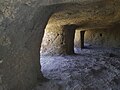 Telde
Provincia de Las Palmas · 11 miles from the centre
7 sights · 7 min from LPA · on the coast
Compare hotels (opens Booking.com in a new tab)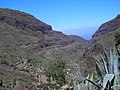 Agüimes
Provincia de Las Palmas · 10 miles from the centre
1 sights · 6 min from LPA · on the coast
Compare hotels (opens Booking.com in a new tab) Firgas
Provincia de Las Palmas · 10 miles from the centre
1 sights · 23 min from LPA · on the coast
Compare hotels (opens Booking.com in a new tab) Gáldar
Provincia de Las Palmas · 13 miles from the centre
3 sights · 31 min from LPA · on the coast
Compare hotels (opens Booking.com in a new tab)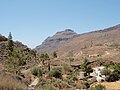 San Bartolomé de Tirajana
Provincia de Las Palmas · 3 miles from the centre
2 sights · 16 min from LPA
Compare hotels (opens Booking.com in a new tab) Arucas
Provincia de Las Palmas · 12 miles from the centre
2 sights · 22 min from LPA
Compare hotels (opens Booking.com in a new tab)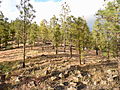 Mogán
Provincia de Las Palmas · 9 miles from the centre
2 sights · 30 min from LPA
Compare hotels (opens Booking.com in a new tab) Teror
Provincia de Las Palmas · 8 miles from the centre
2 sights · 19 min from LPA
Compare hotels (opens Booking.com in a new tab) Santa Lucía
Provincia de Las Palmas · 5 miles from the centre
1 sights · 14 min from LPA
Compare hotels (opens Booking.com in a new tab) San Nicolás
Provincia de Las Palmas · 11 miles from the centre
3 sights · 35 min from LPA
Compare hotels (opens Booking.com in a new tab) Santa Brígida
Provincia de Las Palmas · 8 miles from the centre
2 sights · 14 min from LPA
Compare hotels (opens Booking.com in a new tab)
Top sights in Gran Canaria
Ranked by how well known they are.
 1archaeological site
 2viewpoint
 3protected area
 4botanical gardenJardín Botánico Canario Viera y Clavijo
Santa Brígida · Photo
botanical garden in Tafira Alta, Gran Canaria
 5archaeological site
 6lighthouse
When to go to Gran Canaria
January to June and September to December: daytime highs between 23°C and 28°C with little rain.
- 23°CJan5 mm
- 23°CFeb17 mm
- 25°CMar33 mm
- 26°CApr7 mm
- 25°CMay9 mm
- 26°CJun15 mm
- 31°CJul0 mm
- 33°CAug0 mm
- 27°CSept6 mm
- 28°COct12 mm
- 27°CNov29 mm
- 23°CDec15 mm
Highlighted months are the sweet spot for warm, dry weather.
Full weather page: today, the 10-day forecast and every month
Getting to Gran Canaria from United Kingdom
Gran Canaria (LPA) has direct flights from the UK, including London Heathrow, London Gatwick, London Stansted, London Luton and Manchester.
Gran Canaria (LPA)
About 6 min by road to the nearest resortdirect flights from the UK
What kind of island this is
Gran Canaria is one of the Canary Islands, Spain's Atlantic archipelago, and it packs a surprising amount into a small space. The south is where most British holidaymakers stay, around Maspalomas and the resorts strung along the coast towards Mogán. The north-east holds Las Palmas, the capital, and the larger towns of Telde and Arucas, while the centre rises into protected land such as Pilancones Natural Park, the Riscos de Tirajana and, further west, Tamadaba Natural Park.
If you are drawing up a list of Gran Canaria things to see, it naturally splits in two. On the coast there is the Maspalomas Lighthouse, the Meloneras seafront and Punta Sardina Lighthouse near Gáldar in the north. Inland there is the crater of Bandama Caldera, the botanical garden at Tafira Alta, the Barranco de Guayadeque ravine near Agüimes, the Painted Cave at Gáldar, the Cuatro Puertas archaeological site at Telde and the Basílica de Nuestra Señora del Pino in the hill town of Teror. That mix is what makes the island feel bigger than its size.
Which resort suits you
Puerto Rico draws more interest from British travellers than any other resort on the island, with Maspalomas next. Maspalomas is the one to choose if you want sights on your doorstep: the lighthouse, the Meloneras beach area and Palmitos Park, a zoo and garden that works well for families, are all close by. Playa del Inglés is the other big name in the south, and Puerto de Mogán, further west, takes its name from the municipality of Mogán, whose hinterland includes Montaña de Tauro and the protected area of Inagua.
Las Palmas is different: a proper city in the north-east, with a ferry port and easy access to Santa Brígida, Bandama Caldera and the botanical garden. It suits travellers who prefer streets and cafés to a resort strip, and it is a good base for anyone asking which part of Gran Canaria to visit beyond the beach. For a quieter, wilder coast, the protected beach of Güigüi lies in the far west near San Nicolás.
Weather through the year
The temp in Gran Canaria barely dips: at Maspalomas, the island's climate reference, daytime highs run from 23°C in January and December to 26°C by June. July and August are the hot months, at 31°C and 33°C, with no rain at all, and night-time lows stay at 23°C to 24°C. Autumn is warm too, with 28°C in October and 27°C in November, though November brings the most rainy days of the year, five on average.
Gran Canaria in March is pleasant at around 25°C, but it is the month with the most rainfall, about 33mm spread over four days, so pack a light layer. Christmas is one of the island's great draws for British families: December averages 23°C by day and 17°C at night, with only two rainy days, which is why Christmas in Gran Canaria stays so popular. Every month except August is listed as a good time to go; August is simply the hottest.
Getting there from the UK
Gran Canaria airport (LPA) is the island's only airport and has direct flights from the United Kingdom. It sits close to the east-coast towns: Agüimes is about 6 minutes' drive away, Telde 7 minutes, and Santa Lucía and Santa Brígida around 14 minutes each, so getting to the inland sights near Bandama is quick.
On a package holiday the transfer from the airport to your resort is usually included, so you step off the plane and onto a coach or private car. If you want to explore the ravines and natural parks on your own, car hire gives you the freedom to reach places like Teror, Gáldar or Tamadaba at your own pace. Las Palmas also has a ferry port, about 7 miles from the island's centre, and the nearest ports across the water are Santa Cruz de Tenerife and Los Cristianos, handy if you fancy seeing more of the Canary Islands.
Booking your package and extras
Most British travellers book this island as a package: flight, hotel and airport transfer in one, often with a choice of board basis from self-catering or half board up to all inclusive. You can compare package deals from Jet2holidays, TUI, loveholidays and On the Beach directly on this page. Prices tend to rise during UK school holidays, Christmas included, so it pays to compare dates if you have any flexibility.
If you would rather arrange things separately, you can also check hotel prices and compare car hire here. For stuff to do in Gran Canaria once you have landed, the tours and tickets section covers activities across a dozen towns on the island, from the south-coast resorts to inland places such as Teror and Santa Brígida.
Gran Canaria by interest


Questions people ask
What are the best things to see and do in Gran Canaria?
Highlights include Bandama Caldera, the Jardín Botánico Canario Viera y Clavijo, the Barranco de Guayadeque near Agüimes, the Painted Cave at Gáldar, Maspalomas Lighthouse, Palmitos Park and the Basílica de Nuestra Señora del Pino in Teror. Tamadaba and Pilancones natural parks reward anyone who likes walking.
Which beaches in Gran Canaria are worth visiting?
In the south, Meloneras at Maspalomas sits beside the lighthouse and is easy to reach from the main resorts. For something far wilder, Güigüi is a protected beach on the west coast near San Nicolás, well away from the resort strip.
What are the best resorts in Gran Canaria?
Puerto Rico and Maspalomas attract the most interest from British travellers, followed by Playa del Inglés and Puerto de Mogán. Las Palmas, the island's city, suits those who prefer an urban base close to Bandama Caldera and the botanical garden.
Which resort is best for families in Gran Canaria?
Maspalomas is a strong choice for families because Palmitos Park, a zoo and garden, is nearby, along with the lighthouse and the Meloneras seafront. You can compare family package holidays and hotels for the south-coast resorts on this page.
What is the weather like in Gran Canaria at Christmas?
December at Maspalomas averages highs of 23°C and lows of 17°C, with around two rainy days and roughly 15mm of rain across the month. It is warm enough for the beach, which is why Christmas breaks here are popular with British families.
Is March a good time to visit Gran Canaria?
Yes, March is listed among the best months, with highs around 25°C and lows of 17°C. It is the wettest month at about 33mm, though that falls over only four days on average, so a light jacket covers it.